What It Is For
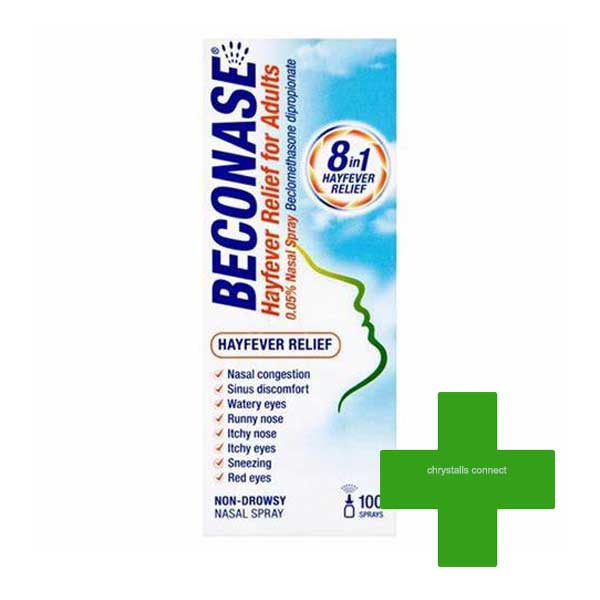
Beconase Aqueous Nasal Spray 100 Sprays is a steroid nasal spray for hay fever and allergic rhinitis. It contains beclometasone dipropionate and is used for blocked nose, sneezing, runny nose and nasal inflammation from hay fever.
Key Features
Nasal spray format for hay fever and allergic rhinitis Contains beclometasone dipropionate Helps with blocked nose, sneezing, runny nose and nasal inflammation from hay fever
Who Is This Product For?
Suitable for adults aged 18 years and over with hay fever or allergic rhinitis symptoms.
How To Use
Shake gently and spray into each nostril as directed. Use regularly for best control and avoid exceeding the stated dose.
Ingredients
Active ingredient(s): Beclometasone dipropionate 50 micrograms per spray
Important Warnings
May cause nasal irritation, dryness or nosebleeds. Do not use with untreated nasal infections unless advised.
Possible Side Effects
The following side effects may happen with this medicine: Allergic reactions: get a doctor’s help straight away A small number of people get allergic reactions to Beconase, which can develop into a more serious, even life-threatening problem if not treated. Symptoms include; • becoming very wheezy or having difficulty with breathing • swelling around the face or throat If this happens, tell your doctor straight away – you may need urgent medical treatment. Immediately after you use your spray • You may sneeze a little, but this soon stops. • Very occasionally you may find you get an unpleasant taste or smell.
Storage
Keep this medicine out of the sight and reach of children. • Protect from frost and light. • Do not store above 30°C (86°F). 4 • Do not use this medicine after the expiry date which is stated on the label and carton after ‘EXP’. The expiry date refers to the last day of that month. • Stop using this bottle three months after you first opened it.
Advisory
Always read the product packaging and Patient Information Leaflet before use. If you are unsure whether Beconase Nasal Spray 100 Dose is suitable for you, speak to a pharmacist or other healthcare professional.